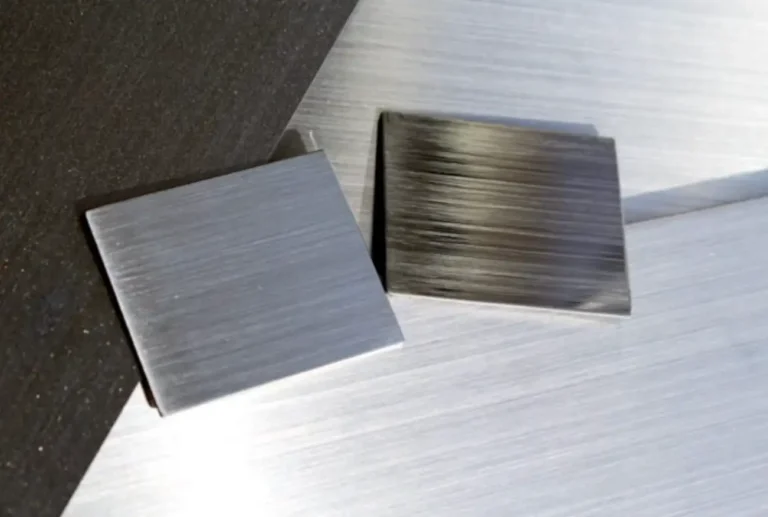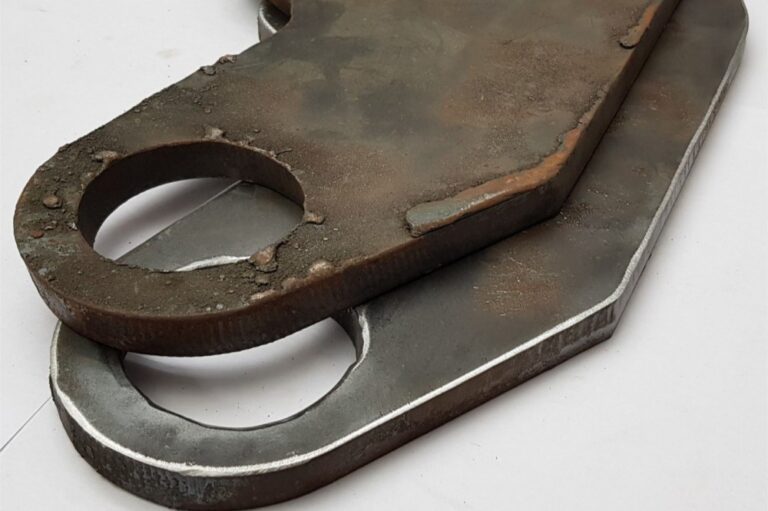
Initiating a in-depth review about programmable equipment created to perform deburring provide changed fabrication procedures, offering prominent positive effects through pace and precision. This guide reviews the multiple types of machines, embracing buffing tumbling machines, spinning systems, and innovative automated devices. We will outline the advantages of integrating such innovations, such as diminished personnel needs, raised item uniformity, and greater fabrication capacity.
Border Finishing Apparatuses: Definite Refining Outlined
Profile smoothing machines offer a complex solution for achieving correct improving on parts. Contrary to manual methods, these programmable platforms ensure reliable benefits and greatly amplify output productivity. The machines habitually use several polishing implements like spinning heads, refining drums, or tailored configurations to shed sharp corners and offsets. These method is crucial in a broad scope of domains, featuring flight and high-tech.- Boost exterior grade
- Decrease creation fees
- Amplify amount and productivity
Dross Extraction Equipment: Securing Spotless, Excellent Coatings
Current casting methods consistently generate significant amounts of slag, a byproduct that, if left, can severely compromise the grade of the deliverable. Fortunately, advanced byproduct management systems offer a steady solution. These focused machines, employing techniques like buffing, are designed to comprehensively eliminate this unwanted material, ensuring a spotless and excellent surface. The resulting advantages include cut rejection rates, upgraded aesthetic appeal, and an overall surge in manufacturing speed. By utilizing state-of-the-art slag removal technology, manufacturers can consistently deliver superior surfaces and meet stringent measures.
Sheet Metal Enhancement: The Benefits of Deburring Tools
Obtaining a superior finish on sheet metal segments is imperative for durability, and deburring machines furnish considerable advantages over non-automated methods. Eradicating burrs efficiently not only raises the superficial quality of the item, but also obviates probable damage during production and application. Furthermore, self-regulating deburring methods advance operation speeds and lessen workforce disbursements.
Maximizing Sheet Metal Production with Automatic Deburring
For the purpose of increase efficiency in sheet metal assembly, consider self-operating deburring systems. Physical deburring is often drawing-out and prone to irregularities. Employing computerized deburring supplies considerable profits, such as diminished labor costs, superior output reliability, and greater processing capacity. This funding could promptly generate profits.Choosing the Right Deburring Device for Your Endeavor
Selecting the optimal deburring system for your specialized needs can be a detailed assessment of several criteria. First, assess the classification of resource you're working with – steel requires specialized techniques than carbon fiber. Next, evaluate the magnitude and design of the segments needing edge finishing. At last, consider your capacity size; a high-volume operation requires a another type of equipment than a occasional one. Disregarding to factor in these matters can lead to poor results and additional outlays.
Deburring Machine Technology: Developments and Breakthroughs
Emerging edge finishing device technique is undergoing rapid advancement, spurred by the requests for enhanced quality and throughput in fabrication operations. Key directions include the merging of mechanized frameworks for scalable edge finishing processes, alongside developments in finishing technology. We're likewise monitoring a boost in mobile burr eliminating systems optimized for localized purposes, and revolutionary tactics like ultrasonic deburring are earning interest. The prospect points towards expanded linkage of burr eliminating machines within the networked plant environment.
Refining Ferrous Component Strength with Border Rounding
Many constructing processes for iron parts introduce sharp edges, which can create stress spots and flaws that jeopardize overall performance. Edge rounding, a simple yet important method, offers a straightforward solution. It incorporates slightly smoothing the crisp edges of a element during the creation stage. This decreases stress concentrations, strengthens fatigue strength, and can prevent splitting. Benefits are further amplified when dealing with complex patterns or parts subjected to high tension. Considerations include the relevant arc of the curved section and its consequence on coupling with other components.
- Cuts down Stress Accumulates
- Boosts Longevity Performance
- Deters Damaging
Dross Disposal vs. Edge : Grasping the Discrepancies
While many operators use the names “slag elimination” and “deburring” confusingly, they identify distinct methods in metal construction procedures. Deburring focuses on eradicating the sharp, often tiny, roughness created during machining operations—these are excess fragments of fabricate left on the module. Slag processing, conversely, addresses an second product – typically a synthesis of oxides – that develops during processes like smelting. Essentially, deburring deals with subsidiary perimeters, while slag removal deals with a residue of a distinct technique. To sum up, intelligent deburring and slag removal systems are crucial components of modern metal processing that deliver top-notch finished products with cut defects and boosted efficiency.Summarizing the report asserts the notable role of high-tech automated deburring technologies in shaping manufacturing standards and helping Edge Finishing businesses achieve greater productivity and quality.