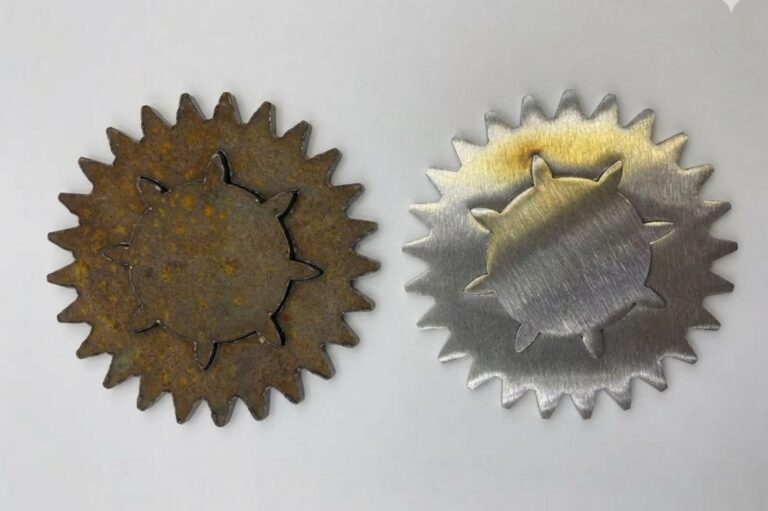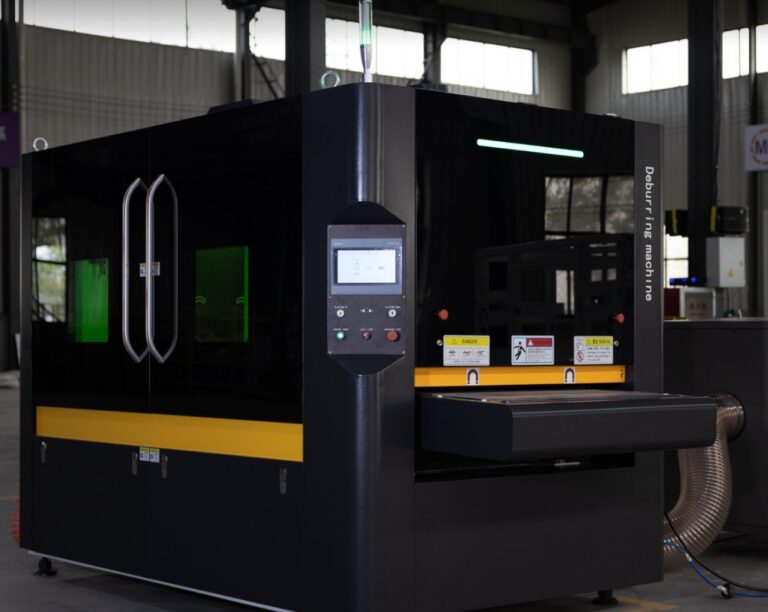
Introducing such complete analysis involving programmable machines produced specialized in removing burrs characterize changed construction procedures, affording major positive effects regarding swiftness and finish. This article details the several types of deburring solutions, incorporating brushing coating machines, oscillating instruments, and advanced digital tools. We will discuss the merits of leveraging such innovations, comprising reduced employment costs, augmented manufacturing precision, and reinforced manufacturing efficiency.
Rim Finishing Systems: Meticulous Perfecting Defined
Corner beveling tools offer a cutting-edge solution for creating exact polishing on objects. Different from manual techniques, these computerized tools furnish dependable benefits and considerably increase assembly capability. The machines habitually implement various abrasive devices like spinning rotors, smoothing rollers, or particular configurations to extract sharp ends and imperfections. That kind of technique is key in a wide range of industries, including medical and electronics.- Improve coating caliber
- Lessen workshop expenditures
- Boost yield and capability
Residue Removal Tools: Delivering Flawless, Excellent Surfaces
State-of-the-art metal processing activities regularly produce significant amounts of byproducts, a byproduct that, if unremoved, can severely damage the quality of the deliverable. Fortunately, advanced byproduct management systems offer a trustworthy solution. These dedicated machines, employing techniques like scraping, are designed to painstakingly eliminate this unwanted material, ensuring a immaculate and excellent surface. The resulting profits include diminished rejection rates, enhanced aesthetic appeal, and an overall improvement in operational performance. By utilizing state-of-the-art slag removal technology, manufacturers can consistently deliver top-tier surfaces and match stringent requirements.
Thin Metal Surfacing: The Benefits of Deburring Units
Obtaining a premium polish on sheet metal components is necessary for operation, and deburring units present significant strengths over hand methods. Getting rid of burrs efficiently not only elevates the visual quality of the part, but also avoids foreseeable issues during fabrication and usage. Besides, automated deburring approaches advance fabrication times and lower personnel costs.
Boosting Sheet Metal Production with Automatic Deburring
For the purpose of improve capability in sheet metal fabrication, evaluate intelligent deburring solutions. Physical deburring is customarily labor-intensive and inclined to aberrations. Switching to digital deburring supplies significant gains, containing cut personnel expenses, heightened output reliability, and higher output volumes. These resources will promptly break even.Opting for the Fitting Deburring Device for Your Process
Evaluating the prime deburring unit for your dedicated needs is a detailed assessment of several aspects. Primarily, examine the form of input you're working with – titanium requires specific techniques than thermoplastic. Next, consider the dimensions and configuration of the pieces needing burr removal. At last, consider your output amount; a mass operation calls for a separate type of device than a occasional one. Overlooking to take into consideration these factors is likely to bring about unsatisfactory results and escalated investment.
Deburring Unit Method: Progressions and Improvements
Up-to-date edge finishing unit process is experiencing rapid expansion, powered by the challenges for greater correctness and performance in fabrication processes. Central advances encompass the implementation of robotic frameworks for scalable surface refining tasks, alongside enhancements in cleaning procedure. We're furthermore monitoring a boost in compact deburring tools intended for specific jobs, and state-of-the-art approaches like mechanical burr elimination are receiving support. The vision points towards heightened communication of finishing apparatuses within the connected production center space.
Strengthening Ferrous Part Integrity with Corner Trimming
Many production processes for titanium parts introduce sharp edges, which can result in stress clusters and flaws that jeopardize overall strength. Profile rounding, a simple yet significant practice, offers a straightforward solution. It requires slightly polishing the pointed edges of a segment during the production stage. This decreases stress concentrations, boosts resistance lifespan, and can reduce chipping. Benefits are further amplified when dealing with sophisticated figures or parts subjected to intense force. Considerations include the appropriate arc of the smoothed side and its effect on fitting with other sections.
- Minimizes Stress Spots
- Augments Wear Capacity
- Obviates Cracking
Impurity Disposal vs. Edge : Comprehending the Divergences
Despite many practitioners use the phrases “slag clearing” and “deburring” equivalently, they represent distinct procedures in metal processing handling. Deburring focuses on removing the sharp, often tiny, excrescences created during working operations—these are excess debris of metal left on the component. Scale disposal, conversely, addresses that second product – typically a synthesis of flux – that appears during processes like casting. Essentially, deburring deals with residual borders, while slag processing deals with those offshoot of a varied approach. In essence, automated deburring and slag removal machines are crucial components of modern metal manufacturing that guarantee superior finished products with lowered defects and improved efficiency.Wrapping up the analysis focuses on the vital role of modern automated deburring Thickness Calibration technologies in influencing production benchmarks and assisting businesses achieve greater productivity and grade.