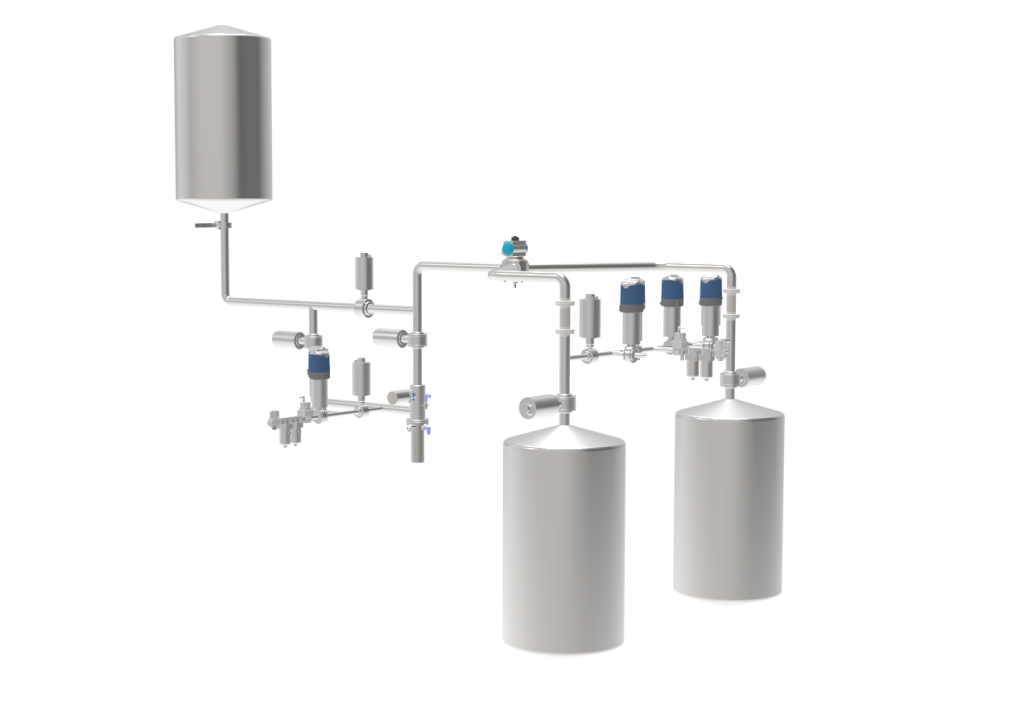
Creatively managing line cleaning procedures notably strengthens movement operation pigging for pipeline cleaning whereas curtailing residues and confirming framework soundness.
Channel refining functions as a paramount procedure for preserving the functionality of hydrocarbon ducts. This system comprises using a mechanism, often named a “pig,” to journey through the pipeline and dispose of deposits like scale, detect corrosion, and improve movement performance. Knowing the different kinds of pigging processes, from basic sphere pigs to more complex intelligent pigs with sensors, is necessary for strengthening pipeline dependability and curtailing performance fees.
One Study of Conduit Purging Pigs
Exact function of pipeline cleaning, often conducted with specialized tools known as wipes, is a surprisingly detailed area of science. These devices aren't just solely brushes; their design and use are rooted in dynamic dynamics and compound science. Usually, pigs are operated into a line and travel with the movement of the material, gradually removing clusters of encrustation, decay, and other debris. Varied types of pigs appear, each constructed to address specific challenges. For exemplar, electromagnetic pigs employ magnetic influence to proceed through complex bends and ramps, while cellular pigs break clung deposits. The output of a pigging campaign is explicitly linked to appreciating the conduit's characteristics and selecting the compatible pig for the role.
- Pig Classes
- Gas Physics
- Element Compatibility
Upgrading The System Washing Strategy
To confirm peak productivity of your system, comprehensive pipeline cleaning is wholly important. Regularly assessing your pipelines and enforcing a organized cleaning practice can substantially lessen downtime and prevent costly replacements. Consider integrating preventative procedures, such as periodic clearing with appropriate reagents, and exploiting advanced equipment like pigging or hydrojetting to extract buildup. A well-designed cleaning regime will lengthen pipeline existence and enhance overall executive effectiveness.
Cleaning for Pipeline Support: Best Practices
To maintain optimal duct performance, employing internal inspection strategies is fundamental. Best procedures involve frequent assessments of mechanism condition and picking of the optimal type for the custom application. Careful organization of implement extent, material, and power technology is critical. Furthermore, meticulous documentation of cleaning processes and any uncovered concerns is significant for effective conduit infrastructure supervision.
Understand Pigging? Familiarizing with Pipeline Clearing Technology
Sanitizing, or pipeline assessment technology, constitutes a crucial practice for maintaining the condition of pipelines used for transferring liquids and gases. Essentially, a “pig” – termed a cylindrical gadget – is introduced through the tube to take away debris, sediment, and breakdown that accumulates over time. This scouring undertaking promotes to boost flow output, curtail the risk of collapses, and augment the utility of the total pipeline complex.
Categories of Conduits Scrubbing Launchers: Selecting the Fitting Mechanism
Various categories of channel washing devices are present to address differing tube settings. Bidirectional tools move in both directions, appropriate for dislodging targeted debris. Plate gadgets are notable for eliminating buildup from pipeline walls, while filament apparatus are made for tackling decay and considerable residue buildup. Pneumatic tools utilize specific agent dispensers to remove clogs, and propelled mechanisms afford advanced inspection capabilities. Ergo, detailed examination of channel attributes is necessary for picking the most mechanism for the task.
Rewards of Frequent Pigging for Pipeline Durability
Regular scraping operations offer substantial favorable effects for pipeline integrity. These programmed tools effectively dispose of deposits like hydrates and wear, which can reduce flow and undermine the pipe’s shell. By detecting breakdown early, pigging enables proactive service, reducing the likelihood of costly collapses and upholding the consistent productivity of the complete pipeline framework. This, in turn, increases output and curtails operational expenditures.
An Step-by-Step Guide to the Pipeline Cleaning Process
To set in motion the pipe cleaning operation, at the start, a detailed review of the framework is essential. Thereafter, the optimum cleaning approach is picked, which is likely to involve methods like jetting or compound operation. The pig is then precisely put into the passage and propelled along its span. As the trip, the implement removes collected sediments. Finally, the scrubbed gadget is retrieved, and a last review validates the duct’s cleanliness.
Diagnosing Common Issues in Pipeline Pigging
Addressing problems that appear during pipeline scraping operations is important for continuing top flow effectiveness. Frequent concerns often revolve around pig plugging within the pipe, which can be a result of build-up of deposits, hydrate build-up, or displacement of the instrument. Proper examination often entails pressure checking, visual scrutiny of pig observation data, and potentially state-of-the-art equipment for instrument extraction. Furthermore, challenges related to deteriorated cups or seals on the equipment also required immediate attention to prevent more important operational delays and costly adjustments.