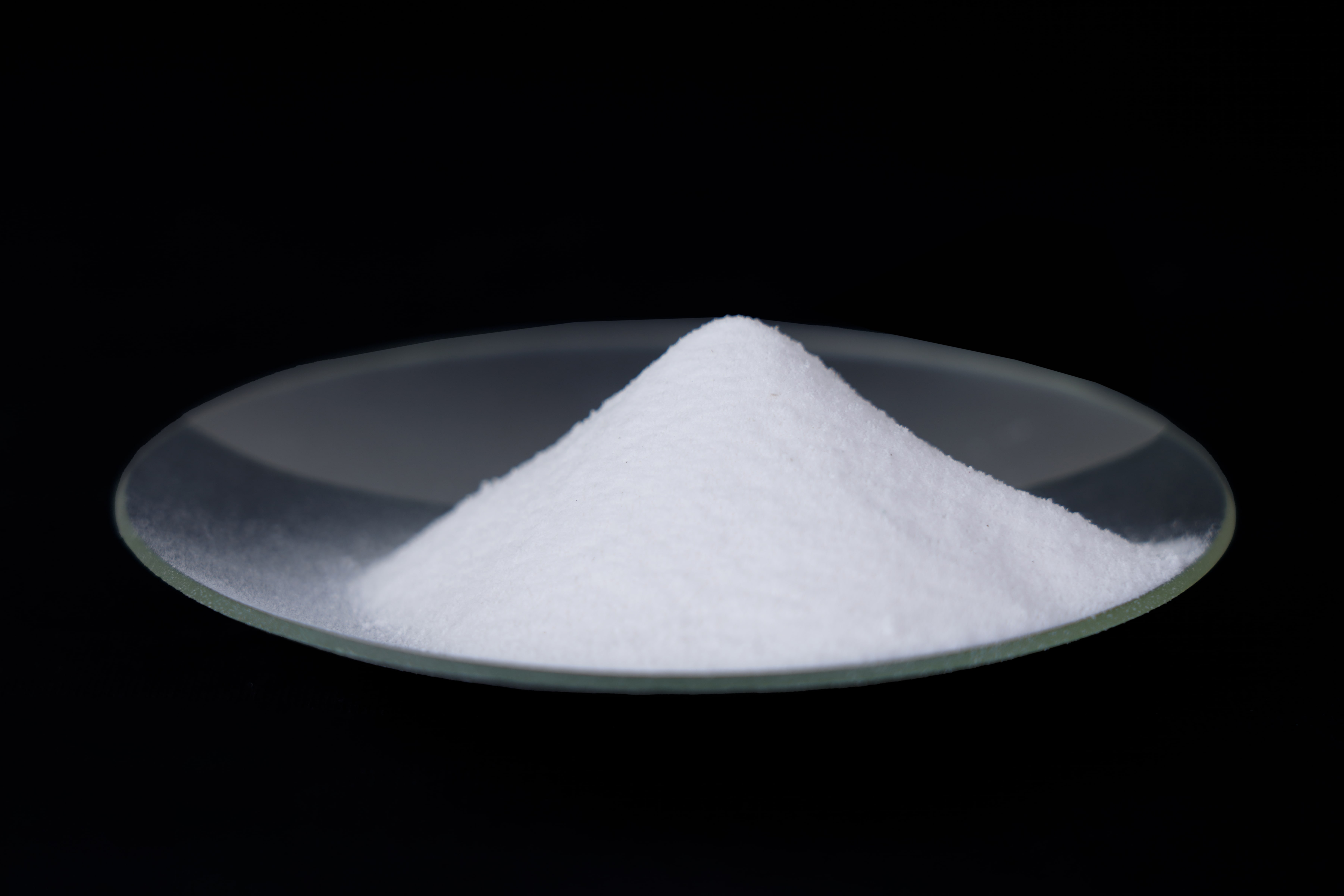
StartingDiatomite filter aid operates as optimal substance regularly leveraged in various technological functions, particularly when clarifying liquids. Extracted from the fossilized remains of siliceous algae, it holds a unique spongy composition that provides superior filtration. This material functions by creating a delicate filtering bed on a membrane filter, retaining minute particles while facilitating fluid passage. Picking the correct classification of siliceous filter medium activated bleaching earth is vital for achieving desired results.
Utilizing Diatomaceous Residue for Refinement
Silica-rich powder, composed of the fossilized remains of microscopic algae called diatoms, presents a distinctive answer for filtration various inputs. Its structure, a lightweight network of quartz-derived shells, provides an incredibly vast surface area. This allows for highly potent removal of sediments from fluids. Uses range from hydrated refinement and drink manufacture to water environments treatment and even horticultural processes. Virtues include its renewable origin, cost-effectiveness compared to diverse synthetic alternatives, and its power to effectively contain a extensive range of undesirables.
- Delivers superior substance removal.
- Serves as a sustainable choice.
- Compatible for diverse professions.
Enhanced Bleaching Earth: Attributes and Uses
Upgraded bleaching clay is a sort of untreated smectite that has undergone distinctive enhancement to boost its sorption powers. This practice typically involves enzymatic conversion, resulting in a modified design with a extensive coverage. Consequently, it exhibits superior competence to remove dyes from a wide scope of composites, finding key tasks in the bleaching of hydrocarbons, tallow, and other colored ingredients. Moreover, its non-toxic aspect and low price contribute to its enhancing popularity in various fields.
Diatomaceous Earth Compared to Alternative Filter Agents
Opting for the prime cleaning assistance for a specific process can be complex. While peat and other proxies exist, diatomite frequently presents a convincing case for its excellence. Against these rivals, diatomite typically offers greater limpidity and a boosted rate of filtering sediments. However, that prime choice ultimately is determined on parameters such as cost, usage requirements, and anticipated yield level.
Diatomite Filtration: A Scientific Perspective
Diatomite or fossilized diatoms filtration straining leverages the unique exceptional structure of said microscopic infinitesimal algae specimens. These aforementioned diatoms, upon subsequent to death, form construct a sedimentary geological rock formation composed fabricated of intricately thoroughly porous openwork silica siliceous shells. This aforementioned porous lattice-like network system provides an incredibly surprisingly large area for catching particulate or solid matter or debris from enclosed by liquids moist environments, achieving producing highly profound meticulous filtration screening.
Elevating Whitening Efficiency via Treated Materials
Elevating one's whitening process applying enhanced earth presents a effective approach for improving capability. The stated biogenic material, originating in ground, possesses outstanding capturing properties that grant it the ability to competently extract colored particles from cloths, thereby minimizing utilization of harsh industrial oxidizers and advancing a sustainable result.
Studying Filter Aid Quality Types
Identifying the fitting filtration powder level is necessary for effective screening processes. Filter aid grades are arranged by their screen extent, generally expressed in fractional sizes. Thinner grades, like FF or Filter-X, offer premium clearness and are applicable for fragile liquids, while chunkier grades, such as Perlite or Celite 500, deliver a heightened processing speed for diminished uses. Understanding these divergences will assist you to enhance your filtration effects and curtail expenses correlated with the process.
Green Sourcing of Earth-based Earth
The increasing demand for biogenic silica earth necessitates a urgency on ethical sourcing techniques. Traditional mining often entails significant ecosystem disturbance and can undermine surrounding ecosystems. Currently speaking, forward-thinking businesses are investigating alternatives, such as recovery of formerly harvested sites, ensuring minimal disruption and safeguarding habitat habitats. Furthermore, honesty in the supply is evolving crucial, allowing end-users to decide informed conclusions and support environmentally friendly processes. Thus, responsible supervision of diatomaceous earth deposits is vital for future availability and minimized environmental footprint.
- Decreased land degradation.
- Restoration of extraction sites.
- Greater visibility in the network.
Modified Clarifying Layer: A Empirical Understanding
Looking at a academic frame, improved bleaching earth represents a unique class of aluminosilicate minerals. Primarily, montmorillonite clay is chemically modified via activation – typically involving acid treatment – to dramatically augment its affinitive faculties. The stated refinement creates a ample exterior with a significant number of electron-rich positions, facilitating the uptake of pigmented impurities from solvent systems. The behavior predominantly involves van der Waals associations and intermolecular forces, prompting a cleaner effect.
