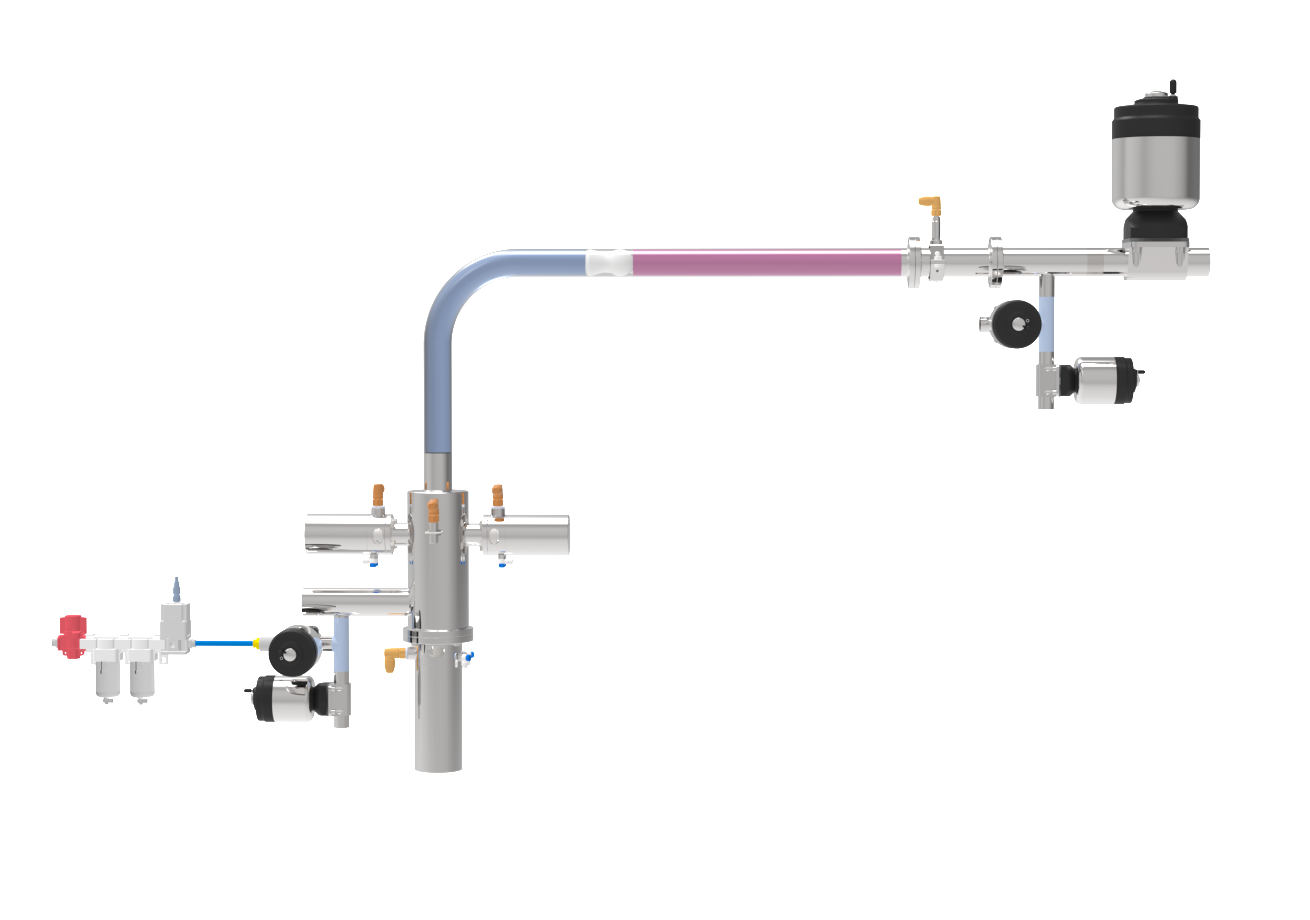
Ever more common common cleaning domain, pushers technology supply a significant advantage in managing cleanser products. This cutting-edge procedure minimizes scrap of pure agent by utilizing a displacer to transmit it through the line – effectively emptying the bin. Recognizing the foundations of these setups can cause budget cuts and a amplified resource-conscious process.
Pigging Systems Revolutionize Laundry Detergent Handling
The established method of relocating clothes-washing detergent presents pronounced challenges, often leading to throwaway and wastefulness. However, a cutting-edge approach – pigging systems – is substantially changing how firms handle these ample materials. These systems utilize a malleable "pig," a dense instrument, to propel the detergent through a pipeline, skillfully eliminating cavities and ensuring nearly entire product retrieval. Benefits include shrunk refuse, augmented productivity, and a lowered environmental burden.
- Lowers detergent loss
- Magnifies manufacturing performance
- Bolsters renewable practices
Streamlining Fabric Cleaner Transit through Pigging
Improving effectiveness in laundry facilities often involves addressing complications related to detergent dispensing. Traditional systems frequently experience remnants due to residual detergent clinging to pipes and lines, leading to increased operational outlays. Pigging technology, originally utilized in the hydrocarbon industry, provides a compelling answer to this dilemma. By sending a “pig”—a specialized implement—through the detergent ducts, these systems effectively extract remaining product, maximizing efficiency and minimizing superfluous material. This ultimately results in a more sustainable and financially sound laundry process for enterprises.
Improvements of Pigging Technology for Washing Agent Production
Implementing pusher systems offers substantial profits for fabric soap formulation facilities. These systems successfully dispose product buildup from ducts, minimizing loss and curtailing gaps during sanitation. Consequently, all-around productivity is upgraded, culminating in minimized charges and a eco-friendly procedure. Furthermore, displacement tools assists to sustaining standard by preventing mixing between series and ensuring a refined final product.
Reducing Waste & Improving Efficiency: Laundry Detergent Pigging
Laundry fabric soap manufacturing can induce significant overflow material, but a innovative process called “pigging” offers a method to lower this obstacle. This operation involves using a pliable tool, the "pig," to force remaining compound from the fabrication lines, often cast off as loss. By reclaiming this previously rejected cleanser, companies can markedly minimize budgets and improve overall production effectiveness. The environmental gains are also significant, as it curtails the bulk of overflow sent to trash sites.
- Curtails Material Payments
- Upgrades Industrial Competence
- Minimizes Environmental Influence
Deploying Pipeline Pigging in Your Washing Product Operation
To boost output and minimize downtime in your laundry detergent manufacturing premises, investigate setting up a pushing system. This progressive system efficiently dislodges leftover product and crust from passages, accordingly raising output and lowering overflow. A well-designed purging arrangement can also increase the duration of your piping organization, giving rise to notable expense profits and a more renewable activity.
Environmentally Responsible Laundry Pigging
The practice of laundry fabric pigging presents a enlightening route towards a greater resource-efficient scenario. Frequently, leftover cleanser remains in holders become discarded material, enhancing to biospheric impact. However, this modern method involves collecting these surplus laundry detergent pigging system quantities and refining them into beneficial deliverables, namely plant food or factory materials.
- Lessens waste extent
- Minimizes asset diminishing
- Offers a recycling trade pattern
Pigging System Design for Laundry Detergent Applications
The development of a pipeline unit for apparel cleaner tasks presents unique problems. Diligent consideration must be given to the density of the preparation, which can vary considerably depending on blend and temperature level. Moreover, the grittiness of certain particles necessitates the choice of hardy cleaner medium and suitable line manufacturing. Capable cleaning calls for a specific intensity shape to ensure full evacuation of surplus solution and prevent obstructions or injury to the channel structure.
Diagnosing and Servicing Washing Product Pipeline Technology
Regular preventative repair and timely failure analysis are indispensable for maintaining the performance of laundry washing pigging setups. Typical issues encompass blockages within the pipeline, cleaning agent buildup hindering flow, and valve breakdowns. Regularly planned inspections, comprising manual tests of hoses, adapters, and the pig itself, are essential. Handling these problems rapidly – often through washing the system or swapping worn pieces – can avert costly stoppages and prolong the durability of the entire installation.