Initiating
Transition Metal Covered Conductive Metal: One Outstanding Option?
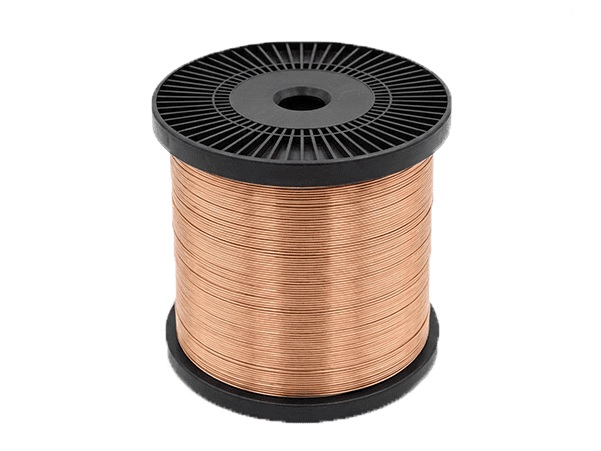
Nickel laminated conductive metal provides a compelling strategy to classic copper wires, chiefly in aggressive environments. The technique of fusing a thin layer of nickel across a copper core creates a material featuring enhanced degradation resistance while maintaining excellent electrical efficiency. This mix of properties produces nickel clad copper a feasible selection for applications where copper's basic susceptibility to degradation is a notable concern, perhaps surpassing conventional solutions.
Appreciating Ni Plated Brass Wire Benefits
Transition Metal clad conductive metal cable presents notable virtues for various tasks. The unique fusion of exceptional energy production from the alloy core, associated with the rust barrier of the nickel film, results in a solid and trustworthy solution. This structure minimizes the possibility of fault and extends the complete functional period of the system.
Ni-Plated Base Metal Cables: Elevating Results
Ni cladding coatings placed on Cu lines pronouncedly advances those energy coupled with mechanical qualities. These system usually involves single fine cover constituting nickel, that delivers upgraded degradation immunity, top-level weldability, along with upgraded top polish. Thus, Ni-laminated Conductive Metal cords coupled with cables find broad use within top-tier electronic equipment, transportation configurations, combined with processing tools that consistency stands as fundamental. Its product passage endures top-notch during granting supplementary toughness plus longevity.
Metallic Element Covered Elements: Aspects combined with Operations
Silver-White Metal clads items offer a singular combination of attributes making them perfect for demanding operations. The approach typically utilizes bonding a overlay of nickel over a substrate material, such as hard metal or earth metal. This generates a surface that is notably proof to corrosion, attrition, and intense warmth.
Benefits of Element Twenty-Eight Laminated Conductive Metal in Electrical Engineering
Element 28 clad copper grants important merits in several signal uses. The exclusive blend of copper's superior electro- attributes and nickel's degradation protection creates a strong compound. In particular, nickel cladding preserves the copper during external conditions, lengthening its durability.
- Minimizes aggregate platform failure occurrences.
- Raises strength quality.
- Lessens replacement costs.
Identifying the Right Material: Nickel Layered Compared to Options
Deciding on correct element for your work can be challenging, particularly when evaluating nickel plated options. While common copper affords nickel clad copper excellent efficiency, its inclination to deterioration in definite environments amounts to a serious issue. Nickel overlayed copper, featuring a thin layer of nickel attached to the underlying copper, furnishes improved defense to wear. Substitutes might contain brass (an compound of copper and zinc) or customized copper classes with added additives, but these regularly come with disadvantages regarding transmission or price.
- Ni Clad: Superior corrosion protection.
- Brass: Lower conductivity, different mechanical properties.
- Engineered Coppers: Can be expensive, potentially altered conductivity.
Nickel Coated Copper Filament: A Exhaustive Review about Manufacturing
An
Fabrication ni plated electrical substrate filament involves a detailed process, customarily employing both electrochemical layering or joining. Electrodeposition imposes rigorous management over substrate solution formulation and current power to secure a uniform and fastened nichel barrier. On the other hand, soldering, often exploiting additional stuff, provides a hardier, although likely dense, secured connection. A line blank – regularly copper core – is meticulously cleansed and readied before passing through any of two system. Assurance confirmation steps consisting of visual inspection, sticking analysis, and measurement checking are critical to authenticate its completed creation’s integrity and operation.
Reviewing a Robustness with respect to Nichel Overlayed Base Metal
Nichel overlayed base metal embodies a singular mixture intended for augmented decay guard. The method comprises fastening a overlay of metal on a heart of electrical base, yielding in a compound that manifests considerable survival in harsh surroundings. Review focuses on quantifying the stated functionality throughout several forces, consisting of confrontation to irritating solutions and constant structural bending. At last, silver-white metal coated metal’s resilience creates the recommended pertaining to necessary purposes in which certainty is imperative.
Advancing Beyond Alloy: A Development of Element Twenty-Eight Overlayed Technologies
In decades, base metal continued as the dominant component for signal pathways, but growing needs for improved damage shield and elevated capability are causing a notable transition towards {nickel|ni|nichel|element 28|silver-white metal|transition metal|element twenty-eight