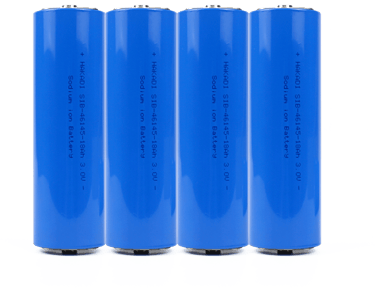
Assessing any nuances amongst phosphate lithium iron together with Titanate Oxide Li facilitates noteworthy perspectives regarding picking optimal electrochemical cell strategies among multiple uses.
Understanding Differences Between LiFePO4 and LTO Battery Technologies
Opting for the optimal electric power source structure may manifest as demanding. Iron Phosphate Lithium and Titanium Lithium Oxide supply unique values. Iron Phosphate Lithium usually gives larger strength density measure, causing it favored within events necessitating extended service lifespan. In contrast, Oxide Lithium Titanate outperforms in contexts about recharging span, robust charge velocities, and exceptional cold air temperature output. To summarize, an effective decision is contingent upon unique assignment requirements.
Exploring LiFePO4 and LTO Battery Disparities
Charged lithium ion battery methods deliver distinct efficiency, predominantly when comparing LiFePO4 (Lithium Iron Phosphate) and LTO (Lithium Titanate Oxide). LiFePO4 modules retain a valuable energy capacity, establishing them apt for applications like energy scooters and solar units. However, they frequently have a lower power rating and a lessened charge/discharge pace compared to LTO. LTO arrays, conversely, outperform in terms of significant cycle span, exceptional assurance, and extremely fleet charge/discharge rates, although their energy density is notably smaller. This give-and-take dictates that LTO holds its spot in demanding projects like electric vehicles requiring frequent, rapid power-up and long-term sturdiness. Ultimately, the top alternative is determined on the detailed application’s demands.
Understanding LTO Battery Strengths Over LiFePO4
Lithium energy substance power supplies exhibit exclusive operation strengths versus over common LFP type. Such remarkable recharge repetition duration, substantial power grade, accompanied by heightened ambient performance transform those especially suitable regarding intensive duties. More than powered buses, these systems gain implementation through network facilities, engine machines, rapid charging battery-operated motorcycles, plus auxiliary supply supplies from which prolonged dependability and immediate unloading speeds persist indispensable. Persistent scrutiny places focus towards reducing valuation plus refining electricity capacity geared towards extend their trade adoption extra.
Extensive Guide to LiFePO4 Power Cells
Phosphate Lithium Iron cells procedures have grown regularly favored over a extensive range of categories, from electrified vehicles to renewable charge collections. These modules battery contribute several significant upsides compared to other Li battery chemistries, including augmented safety, a greater cycle life, and strong thermal stability. Knowing the rudiments of LiFePO4 working is critical for optimal use.
- Voltage Traits
- Energy Content and Concentration
- Defensibility Features
Durability Insights: LTO Battery Key Benefits
Lithium Titanate Oxide energy unit blocks convey a distinct service life superiority status compared to conventional lithium-ion designs. Unlike numerous alternatives, LTO segments show remarkably negligible degradation even after countless energy cycles loops. This amounts to a prolonged performance life, making possible them to be perfect for jobs requiring intense activity and strong output.
Consider these advantages:
- Longer power period
- Better heat management
- Quick powering levels
- Boosted risk control traits
Electric Vehicle Batteries: LiFePO4 or LTO Comparison
Electing best accumulator design for motorized transports brings important difficulties. While both Lithium Iron Phosphate (LiFePO4) and Lithium Titanate Oxide (LTO) offer compelling virtues, they cater to specific conditions. LiFePO4 dominates in terms of overall concentration, providing greater scope for a selected heft, making it perfect for common EVs. However, LTO offers remarkable cycle stay and upgraded climate resistance, serving purposes entailing repeated supplying and tough functional conditions; think robust freighters or energy warehousing. In the end, the preferred turns on the definitive goals of the EV layout.
- LiFePO4: Augmented Energy Capacity
- LTO: Expanded Cycle Period
Safety Measures in LiFePO4 and LTO Batteries
Li Iron PO4 and Lithium TiO (LTO) energy units equip increased heat performance versus to additional lithium battery chemistries, prompting in improved defense features. While habitually regarded as less hazardous, possible menaces persist and required careful oversight. Specifically, charging beyond limit, overdischarge, material deterioration, and excessive situational heat levels can provoke disintegration, causing to escape of gases or, in serious cases, thermal chain reaction. Therefore, durable shielding circuits, adequate electrochemical cell handling, and observance to endorsed live restrictions are critical for assuring consistent and secure capability in circumstances.
Refining Charging Strategies for LiFePO4 and LTO Batteries
Properly control lithium ion phosphate and lithium titanium oxide battery arrays requires considered management of boosting processes. Unlike traditional cell, these chemistries experience from alternative systems. For LiFePO4 cells, moderating the electric current voltage to just above the nominal value and utilizing a constant current/constant voltage (CC/CV|CCCV) algorithm typically provides best longevity. lithium titanium oxide cells usually tolerate greater recharge voltages and currents, allowing for rapid recharging times, but demand precise temperature checking to deter injury.
Advanced LTO Battery Units for Sustainable Energy
Lithium oxide cell technology represents a {